
Keeping humans in the loop

Lys Technologies is building the interface beyond the keyboard, mouse, and screen: non-invasive brain-computer interfaces that let people communicate with AI and machines more naturally, directly, and powerfully.

We've hired a world-class team including an IPhO gold medallist, a leading specialist in neuroimaging, and an Fulbright scholar PhD in ML from CMU. Our latest hire started competitive programming in the third grade.

Prior to building Lys, Nicole pursued BCI research in academia under the supervision of Bettina Sorger, Thomas co-founded an AI startup now worth over a billion dollars, and Anthony was pursuing a PhD in computational astrophysics. We are a tight-knit team and have known each other for about a decade.

Lys is named after the land of Lys in Arthur C. Clarke's novel, Against the Fall of Night.

The Team

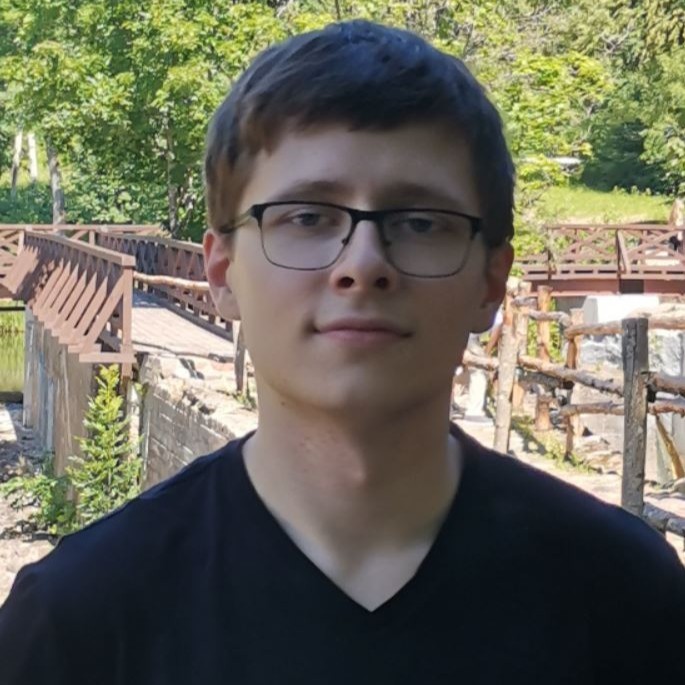
Elvinas

Elvinas

Physics

Gold Medalist at the 2016 International Physics Olympiad

LinkedIn
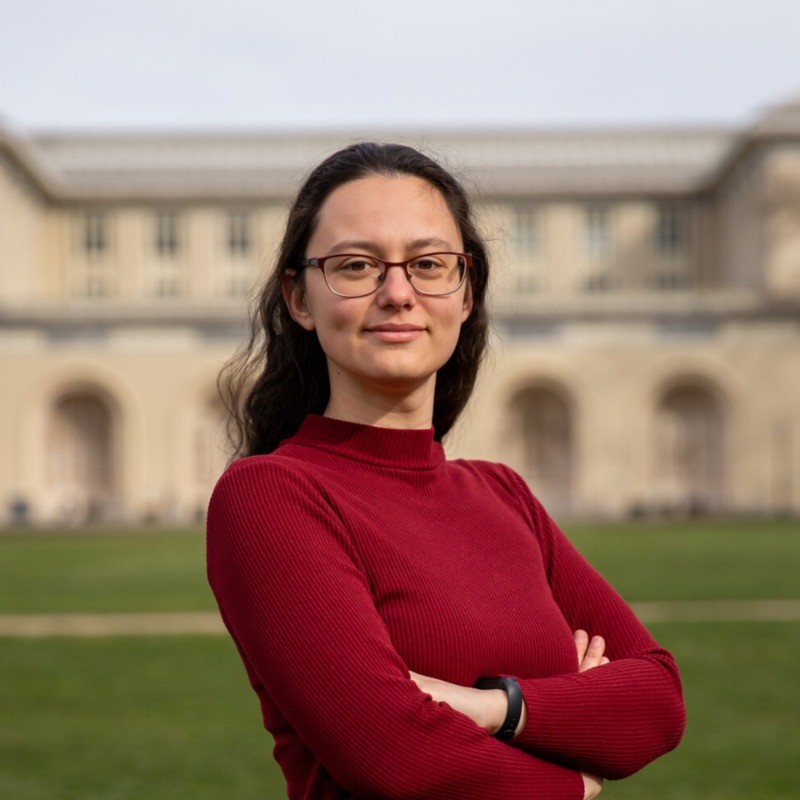
Dessy

Dessy

Machine Learning

Fulbright Scholar & CMU PhD in Robotics

LinkedIn
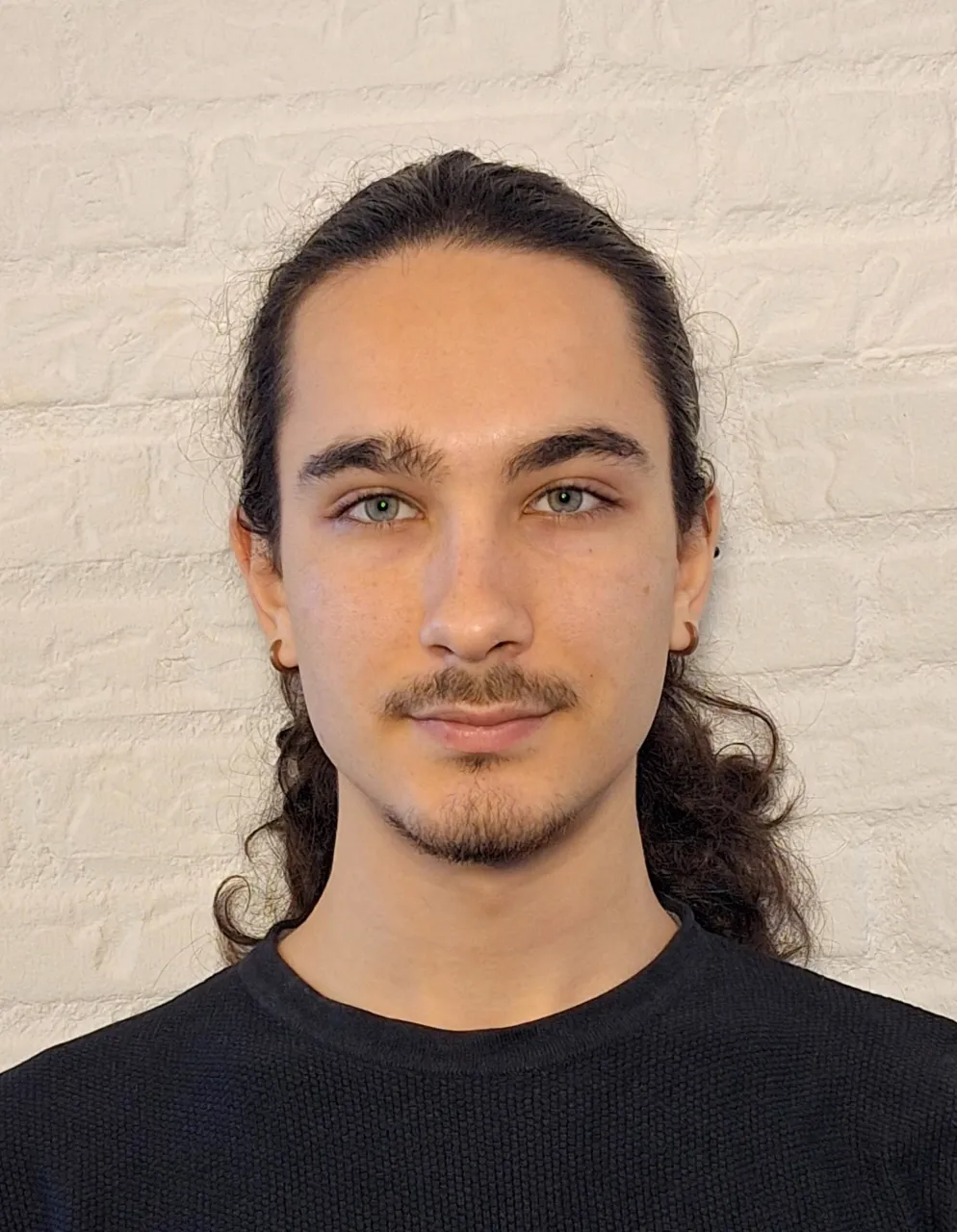
Stefan

Stefan

Engineering

Started competitive programming in the 3rd grade

LinkedIn
Zhengchen

Zhengchen

Neuroimaging

One of the top neuroimaging specialists in the world

LinkedIn
Anthony

Anthony

Co-founder

Two world first results in computational astrophysics, PhD dropout.

LinkedIn
Nyx

Nyx

CEO

Full scholarship to NYU and a decade thinking about the BCI, in a top neuro lab in academia

LinkedIn
Thomas

Thomas

Co-founder

Prev. co-founded Chai ($1B+)

LinkedIn

Currently Hiring

Founding Research Scientist

Our approach to BCI

Questions worth asking

Why is this technology needed?

Despite the technological advances of recent years, most knowledge workers still sit at a desk. We have not evolved to work in such a way. We are building technology that will allow you to code in the park.

More generally, the interfaces of today require humans to adapt to technology. We are building an interface that adapts technology to you. We are building the interface of the future to be the interface of the past.

Why non-invasive?

Technology is never perfect. An update should not require surgery. Perhaps more importantly, invasive technology is dual use: it can stimulate the brain, regardless of its initial use as a read interface.

What about privacy?

Your private thoughts will never leave your machine. Period. We do not want to sell your data or use this technology against you. That is not cool.

We are committed to setting the bar here and will not compromise on this. Ever. This technology is here to serve you.

What about writing to the brain?

We are not doing that. For a human-centric merge, humans should have a monopoly on writing.

Backed by top investors